
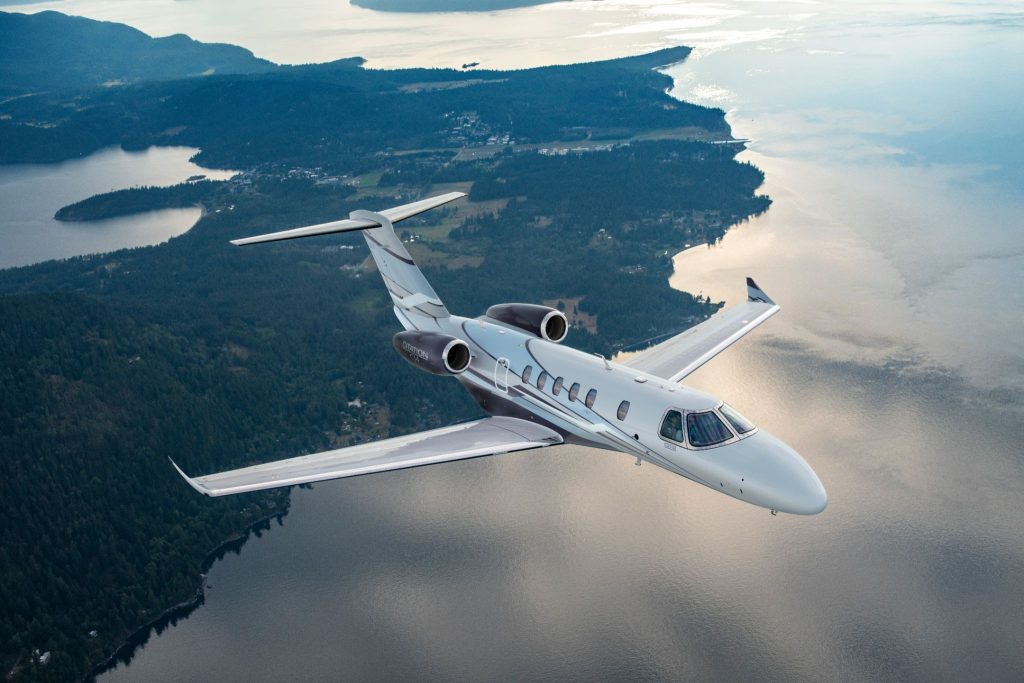
Private aviation offers a level of flexibility and convenience that commercial travel cannot always provide, but deciding how to access it is a significant financial decision. For prospective aircraft owners, understanding the private aircraft cost is only the starting point. How frequently the aircraft will be used, how much capital the buyer wants to commit and how much responsibility they are prepared to take on all play a role.
In 2026, whole private jet ownership can make financial sense for high-volume flyers, particularly those logging more than 250 to 400 flight hours annually. For those flying fewer hours, leasing, fractional ownership, jet cards and charter can provide access to private aviation without the same level of capital commitment and long-term asset exposure.
The question is therefore not simply whether buying or leasing is cheaper, but which structure best fits the aircraft and the owner’s financial objectives.
Understanding Private Aircraft Cost
The purchase price of a private aircraft varies considerably depending on its size, age, specification, range and manufacturer. Entry-level light jets can start at around $3 million, while ultra-long-range aircraft can exceed $90 million.
However, the purchase price is only one part of the private aircraft cost.
Ownership also brings fixed annual expenses, including:
- Hangarage
- Crew salaries and recurrent training
- Hull insurance
- Management
- Maintenance
Some ownership structures can involve $500,000 to $1 million or more in annual fixed costs, before variable expenses such as fuel and certain maintenance costs are taken into account.
Depreciation is another important consideration. The value of an aircraft can change throughout its ownership, meaning buyers need to consider not only the cost of acquiring and operating the asset, but also its potential value when it is eventually sold or refinanced.
Explore St Julian’s Finance’s aircraft finance solutions to understand how specialist financing can support your next acquisition.
When Does Owning a Private Jet Make Financial Sense?
Utilisation is one of the clearest factors in determining whether whole ownership makes financial sense.
For high-volume flyers consistently logging more than 250 to 400 hours annually, ownership can allow substantial fixed costs to be spread across a greater number of flights, potentially making the cost per flight hour more competitive.
For someone flying 50 or 100 hours a year, those same fixed costs are spread across considerably fewer journeys, making whole ownership harder to justify financially.
Ownership can therefore be particularly attractive when:
- The aircraft will be used extensively
- The owner expects to retain it for a meaningful period
- Control and availability are important
- Retaining the aircraft’s residual value is a priority
The trade-off is that the owner also carries the financial exposure associated with depreciation, maintenance and ongoing operating costs.
Private Plane Lease: Greater Flexibility Without Full Ownership
For clients who do not want to commit the capital required to purchase an aircraft outright, a private plane lease provides another route into private aviation.
Leasing can reduce the initial capital requirement and provide greater flexibility, although the exact financial and operational responsibilities depend on the structure.
A dry lease generally places more responsibility for operation and management with the lessee, while a wet lease can incorporate services such as crew, maintenance and insurance.
For businesses and private clients whose aviation requirements may change over time, leasing can therefore provide access to an aircraft without taking on the full long-term financial exposure of ownership.
Discover St Julian’s Finance’s aviation leasing solutions and the approaches available for private aircraft.
How Aircraft Leasing Compares With Ownership
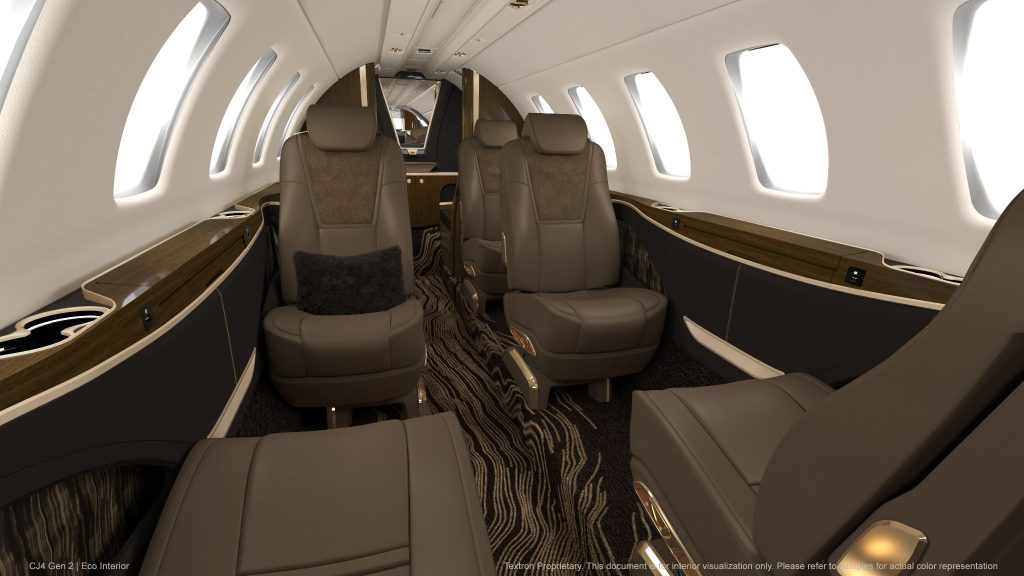
Aircraft leasing creates a different balance between capital commitment, control and long-term asset exposure.
With ownership, the buyer commits capital to the aircraft and retains its residual value while taking responsibility for the costs of maintaining and operating the asset. With leasing, the financial commitment is structured around agreed payments and the terms of the lease.
The comparison should therefore go beyond the monthly payment. Buyers should consider:
- Total contractual cost
- Lease duration
- Maintenance and operational responsibilities
- End-of-term arrangements
- Residual-value exposure
| Consideration | Whole Ownership | Leasing |
| Initial capital | Higher | Generally lower |
| Residual value | Retained by owner | Generally retained by lessor |
| Operational control | Highest | Depends on structure |
| Fixed costs | Owner responsibility | Depends on structure |
| Long-term asset exposure | Higher | Generally lower |
| Flexibility | Lower | Generally higher |
| Suitable for | High utilisation | Greater flexibility |
Neither structure is automatically more cost-effective. The right choice depends on how the aircraft will be used, how long it will be retained and how the owner wants to deploy their capital.
Discover St Julian’s Finance’s aviation finance solutions and the different structures available for high-value aircraft.
What About Fractional Ownership?
Fractional ownership sits between whole ownership and leasing, allowing several participants to share an aircraft.
Rather than purchasing an entire aircraft, a client acquires a defined share and pays associated management fees and occupied-hour costs. Some programmes offer shares such as 1/16th, with the size of the share reflecting expected usage.
This can suit clients who fly more frequently than a typical charter user but do not require enough annual utilisation to justify owning an entire aircraft.
The trade-off is less control than whole ownership, alongside programme fees, hourly charges and contractual conditions that vary between providers.
Aircraft Loans and Airplane Financing
For buyers who determine that whole ownership is the right approach, aircraft loans can provide a way to fund an acquisition without committing the entire purchase price as upfront capital.
The structure can allow a buyer to preserve liquidity while spreading the cost of the acquisition over an agreed period.
The aircraft itself is central to the financing process. Its value, condition, maintenance history, marketability and intended use can all influence the structure.
This is where specialist aircraft financing can provide value. Rather than treating the acquisition as a conventional lending transaction, specialist aircraft finance considers the characteristics of the asset alongside the buyer’s wider financial objectives.
For a multi-million-euro aircraft, the question is therefore not simply whether the buyer can afford the purchase price, but whether committing that amount of capital outright represents the most effective use of their wider financial resources.
At St Julian’s Finance, aircraft financing is structured around the asset and the client’s objectives, with the company providing asset-backed leasing solutions for aircraft ownership.
Explore St Julian’s Finance’s aircraft finance solutions to learn more about its approach to asset-backed financing.
Which Option Makes More Financial Sense in 2026?
The answer depends primarily on utilisation, capital and the owner’s long-term requirements.
Whole ownership may suit:
- High-volume flyers
- Long-term owners
- Clients prioritising control and availability
- Buyers comfortable with residual-value exposure
Leasing or fractional ownership may suit:
- Moderate users
- Clients seeking greater flexibility
- Buyers looking to preserve capital
- Those whose aircraft requirements may change
Charter and jet cards may suit:
- Lighter users
- Those flying fewer than around 100 hours annually
- Clients who prefer to pay for access rather than own the asset
There is also no reason for the answer to remain the same throughout an owner’s aviation journey. A client may begin with charter, move into fractional ownership or leasing as requirements increase, and eventually decide that whole ownership makes sense once utilisation reaches a sufficient level.
The most appropriate structure is therefore the one that reflects the client’s circumstances rather than following a predetermined model.
The Role of Specialist Aircraft Finance
Once ownership has been identified as the appropriate route, the financing structure becomes an important part of the wider decision.
A high-value aircraft can involve considerations around valuation, ownership, registration, insurance, maintenance and intended use. The financing structure therefore needs to work alongside the asset itself.
St Julian’s Finance takes an asset-backed approach across maritime and aviation, structuring tailored leasing solutions for high-value assets and aligning them with clients’ wider objectives.
For prospective owners, this provides an opportunity to consider not only how much an aircraft costs, but how the acquisition fits into the wider financial picture.
Planning your next aircraft acquisition?
Speak to St Julian’s Finance to discuss an aircraft financing structure aligned with your requirements.
Making the Right Decision
The financial case for private aviation cannot be reduced to a simple ownership versus leasing calculation.
Whole ownership can make sense for high-volume flyers who are prepared to take on the costs and responsibilities of the asset. Leasing, fractional ownership, jet cards and charter can provide greater flexibility for those with lower or less predictable utilisation.
The key is to consider the complete financial picture, including:
- Acquisition cost
- Utilisation
- Operating expenses
- Depreciation
- Capital requirements
- Long-term ownership objectives
For those considering aircraft ownership, the financing structure is an important part of that equation. A specialist approach can help ensure that the way an aircraft is financed reflects both the characteristics of the asset and the wider financial strategy of its owner.
Discover how St Julian’s Finance can help you explore the right structure for your next aviation acquisition.